




FOCUS
27.11.2026
Modern Work: 5 transformations reshaping the Digital Workplace
AI, hybrid work, digital sovereignty, Smart Buildings and omnichannel experiences: IT decision-makers need to rethink the workplace as an integrated, secure and measurable ecosystem.
Modern Work is entering a new phase. Adopting communication and collaboration tools is no longer enough. Organisations need to make these technologies work together to deliver a consistent experience for employees and customers, simplify IT management, and maintain control over data, infrastructure and resource consumption.
For CIOs and IT leaders, the priority is to overcome fragmentation. Disconnected Unified Communications (UC) platforms, complex meeting rooms, underutilised office spaces, isolated artificial intelligence initiatives and growing concerns about digital sovereignty all generate additional costs, risks and technical debt.
The answer is not to upgrade individual tools in isolation, but to adopt an end-to-end approach that connects people, spaces, devices, data and processes. Here are the five transformations that should shape an effective, sustainable and results-driven Modern Work strategy.
1. Hybrid Work: designing a seamless digital employee experience
Hybrid work is no longer an exceptional organisational arrangement. It has become a permanent operating model that must ensure seamless continuity between the office, home, distributed locations and field operations.

“
“The IT priority is to ensure that voice, video, collaboration tools and devices deliver the same level of quality wherever people work. The starting point is to map the most common employee journeys and assess access, interoperability, meeting participation, support and service continuity. The goal is to minimise friction, wasted time and support requests”
says Luca Simonini, Head of Competence Center Modern Work & Digital Communications.
2. Sovereign Collaboration: security, control and technological autonomy
Collaboration platforms manage data, identities and business-critical communications. This is why digital sovereignty has become an integral part of decision-making around cloud services, Unified Communications and workplace technologies.
“
“The IT priority is to balance interoperability and user experience with requirements relating to security, data residency, access, compliance and business continuity. Classifying data and processes, clarifying responsibilities and assessing vendor dependencies make it possible to turn digital sovereignty from a broad promise into a set of measurable, verifiable requirements.”
continues Luca Simonini, Head of Competence Center Modern Work & Digital Communications.
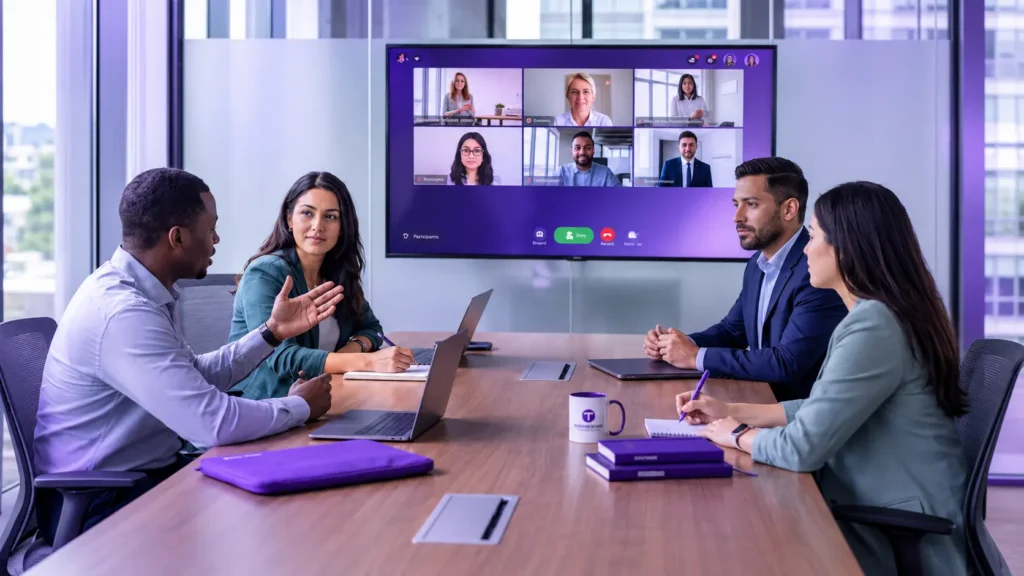
3. Smart Buildings and ESG: using Data to create more efficient workspaces
Corporate offices and facilities are no longer simply spaces to manage. They are ecosystems in which people, technologies and services must interact in increasingly intelligent ways. How these environments are managed affects operating costs, organisational efficiency and, above all, the quality of the experience for the people who use them every day.
This is where the Smart Building paradigm comes in: a connected, adaptive and sustainable building that uses data to understand how spaces are actually used and adapts services and resources accordingly.
IT infrastructure plays a central role in this transformation, enabling integration between IoT sensors, booking systems, digital platforms and building technologies such as HVAC (Heating, Ventilation and Air Conditioning) and lighting systems. Data on presence, occupancy, space utilisation and comfort conditions can be correlated to provide a more comprehensive, dynamic view of the workplace.
“
“The IT priority is to turn meeting rooms, workstations, open-plan offices and specialised areas into intelligent, measurable environments where data supports space optimisation, improved comfort and more responsible resource consumption.”
adds Luca Simonini, Head of Competence Center Modern Work & Digital Communications.
4. The AI-Augmented Workplace: bringing Artificial Intelligence into business processes
AI in the workplace is transforming collaboration, automation and support services. Digital assistants and AI agents can deliver value across multiple areas, from summarising meetings and speeding up response times to automating repetitive tasks and improving customer service.
“
“The IT priority is to move beyond experimental use cases and deliver measurable benefits, while avoiding the creation of new application silos. The starting point is to select two or three high-impact processes — such as meeting management, internal support or Contact Centre operations — and define clear KPIs for each, covering time, quality, adoption and return on investment.”
says Luca Simonini, Head of Competence Center Modern Work & Digital Communications.
5. Employee and Customer Experience: one connected Digital Ecosystem
Customer experience also depends on the quality of the tools available to the people who serve customers. Employee Experience, Customer Experience, Contact Centres, digital channels and business applications can no longer evolve independently.
“
“The IT priority is to connect technologies and information to minimise manual handovers, empower problem-solving, reduce response times and ensure consistent interactions. An effective approach starts with a specific customer journey — such as a support request — and examines every point of friction, from the initial contact channel through to resolution.”
says Luca Simonini, Head of Competence Center Modern Work & Digital Communications.
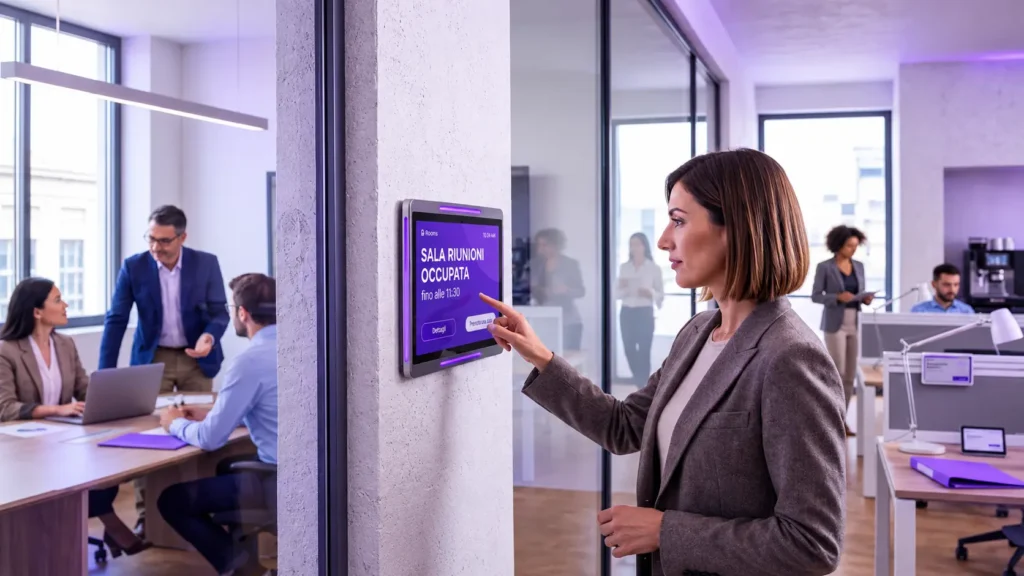
Why now Is the time to act on Modern Work
“
“These five transformations are already central to investment decisions, risk management and organisations’ ability to innovate. Delaying action means allowing operating costs, fragmentation and technical debt to continue growing”
concludes Luca Simonini, Head of Competence Center Modern Work & Digital Communications.
There is no need to change everything at once. What organisations need is a sustainable roadmap built around business priorities, security requirements and measurable indicators. For IT decision-makers, the first step is to assess the current ecosystem, identify the areas with the greatest potential impact and define a sequence of initiatives that delivers value in the short term without losing sight of long-term objectives.
Modern Work is not a standalone project: it is the foundation for building a more productive, resilient and sustainable organisation.
Where should you start? Let’s design your Modern Work Strategy together
Every organisation has different needs, priorities and constraints. Italtel supports businesses in designing, integrating and managing Modern Work & Digital Communications ecosystems, combining multi-vendor technologies, collaboration, AI and Smart Building solutions to enhance employee experience, improve operational efficiency and strengthen control over digital infrastructure.
Want to find out which initiatives could deliver the greatest value for your organisation?
Get in touch to discuss your needs and identify the priorities for your Modern Work transformation journey.
TECH KEYWORDS
MODERN WORK
HYBRID WORK
DIGITAL WORKPLACE
AI-POWERED WORKPLACE
DIGITAL SOVEREIGNTY
SHARE THE PAGE